
There was a time when I was convinced my business was on the map—literally. I remember the sinking feeling of checking my Google Maps listing and seeing my competitors pop up effortlessly, while my profile sat hidden, lost in the digital crowd. It was a lightbulb moment for me. Despite investing in SEO and standard listing updates, I was still invisible to the local customers searching for what I offered. Have you ever felt that frustration—like your business is just out of sight, despite doing all the right things? That’s exactly what I faced early on, and I realized I was missing a few crucial strategies to make sure my business stopped hiding in the shadows.
The Urgency of Mastering Local Listings Before 2026
Why does this matter now? Well, the world of local search is evolving faster than many realize. With new AI-driven algorithms and changing ranking factors, businesses that don’t keep up risk falling even further behind. In fact, studies show that over 70% of local searches result in a store visit within 24 hours, making local SEO an absolute must for visibility and revenue. You can’t afford to stay stagnant while your competitors refine their strategies and capture those nearby customers. I’ve seen firsthand how small tweaks can elevate a local business from obscurity to top-of-mind. That’s exactly what I want for you too.
Is Google Maps Optimization Just Hype?
Early in my journey, I made the mistake of believing that simply creating a listing was enough. I thought, “My profile is pretty complete, so why isn’t it ranking?” It wasn’t until I dug deeper that I learned the hard way—many businesses overlook essential factors like consistent NAP (Name, Address, Phone), proper categories, and engaging photos. Skipping these might seem minor, but it can cost you countless potential customers. For a long time, I dismissed some of these details, thinking I was doing just enough. But the reality is, Google favors businesses that show clear, credible signals of trustworthiness and relevance. To avoid my rookie mistakes, I recommend checking out proven strategies such as those found on this guide on Google Maps optimization.
So, are you facing similar struggles? Do your profiles rank where it counts? If so, stay tuned because I’m about to reveal the 5 must-know tips that will elevate your Colorado business listings in 2026, ensuring you’re no longer hiding but prominently visible to your local audience.
Make Your Business Found: Optimize Your Google My Business Profile
Start by claiming and verifying your Google My Business (GMB) listing if you haven’t already. Ensure your NAP (Name, Address, Phone number) details are consistent across all platforms—discrepancies signal distrust to Google. Upload high-quality, keyword-rich photos regularly. I remember a time I uploaded a set of updated photos showing my new storefront, which immediately enhanced our local insights and ranking.
Build a Strong Citation Profile
List your business on reputable directories like Yelp, Bing Places, and industry-specific sites. Use consistent info and incorporate local keywords in descriptions. This forms a digital trust network. I once spent a weekend updating and verifying citations for my auto repair shop, which resulted in a noticeable jump in local calls within two weeks. For detailed guidance, check out this resource on citation consistency.
Local Keywords Are Your Ticket to Visibility
Incorporate hyper-local keywords naturally into your website content, blog posts, and GMB description. Use terms like “Denver auto repair” or “Colorado Springs pizza” to target nearby searchers specifically. I added a dedicated landing page optimized for local keywords, which boosted our local organic traffic by over 25% within a month.
Optimize Your Map Pack Through Strategic Engagement
Encourage satisfied customers to leave detailed reviews with keywords attached. Respond promptly and professionally to all reviews—this signals activity and trustworthiness. I recall a time when replying to every review in a friendly, keyword-reinforcing manner helped push us into the top three spots consistently. Check out this guide for effective review strategies to master engagement.
Leverage Local Backlinks to Boost Authority
Partner with local suppliers, chambers, and charities for backlinks—these fulfill two purposes: community involvement and domain authority. For example, sponsoring a local event and earning a backlink improved our visibility significantly. Remember, quality backlinks from local sources boost relevance signals to Google, helping your business rise faster in rankings.
Regularly Audit and Adjust Your Strategy
Use tools like Google Search Console and local SEO audit tools to track your progress. Check for inconsistencies, broken links, or outdated info, and correct them swiftly. I recommend scheduling monthly audits to stay ahead. Following this disciplined approach, I managed to recover from a temporary ranking dip after Google’s algorithm update. For comprehensive auditing tactics, visit this detailed strategy guide.
Implementing these core techniques requires diligence but pays off—your business’s visibility and reputation will steadily grow as you refine your local presence. Remember, consistency and relevance are king in local SEO; every small effort compounds over time.
When it comes to dominating local search results in Denver and Colorado, many entrepreneurs are quick to adopt the standard strategies—claiming their GMB profiles, adding some keywords, and building citations. However, what most fail to realize is that these surface-level tactics can actually be misleading. One pervasive misconception is that more backlinks automatically equal higher rankings. In reality, Google’s algorithms are increasingly sophisticated, factoring in relevance, trustworthiness, and user engagement signals. Relying solely on volume can get you into trouble, especially if those backlinks come from low-authority or unrelated sources, which might even harm your profile’s credibility. Expert studies, like those from Moz, emphasize the importance of quality over quantity in link building, aligning with the nuanced approach needed for effective maps ranking strategies.
Keep Your Maps Ranking Strong with Proven Tools
Staying ahead in the competitive local search landscape requires the right tools to monitor, analyze, and tweak your Google Maps optimization efforts. I personally rely on BrightLocal for comprehensive citation audits; it helps me identify inconsistent NAP data across platforms, ensuring my Denver-based business maintains trustworthiness in Google’s eyes. I also use Whitespark’s Local Citation Finder — this tool uncovers backlink opportunities from reputable local sources, vital for boosting relevance and authority. To track your rankings dynamically, I recommend Moz Local, which offers deep insights into your map pack positioning over time. Regularly integrating these tools into your routine has transformed my ability to maintain and improve my local rankings consistently.
The Power of Routine Maintenance
Consistency is key when it comes to long-term results. Establish a weekly schedule to review your GMB profile, check for outdated information, and update your photos. I’ve found that even minor adjustments—like refreshing holiday hours or uploading new interior photos—signal activity to Google, which can positively influence your ranking. Don’t forget to audit your citation profiles periodically, removing duplicates, and correcting any discrepancies. Using automated alerts from tools like BrightLocal ensures no small detail slips through the cracks, keeping your Denver business visible and credible in local searches.
How do I keep my Maps ranking competitive over time?
Achieving and maintaining top positions in Denver’s maps pack isn’t a one-and-done task. It demands ongoing attention to both technical and engagement signals. I suggest setting up automated alerts to monitor reviews, mentions, and profile insights—this allows immediate response to customer feedback and maintains active engagement. Additionally, revisit your local keyword strategy every few months, adapting to seasonal trends and new competitor tactics. With the rapid advancement of AI in local SEO, staying adaptable is vital. In fact, emerging research suggests that integrating voice search optimization with your profile can become a game-changer — more on that in future updates.
Scaling Your Maps Presence for Greater Impact
As your Denver business grows, so should your local SEO efforts. Consider expanding to nearby neighborhoods or related service areas by creating dedicated landing pages optimized for those zones. Keep your citations consistent across all new locations, and leverage local partnerships to foster backlinks and community relevance. To streamline this process, tools like Moz Local can help duplicate existing profiles and ensure data consistency at scale. Remember, long-term success is rooted in consistent maintenance and strategic expansion. Pay attention to analytics, adapt quickly, and always keep your business engaged with your community online.
Want to master local map rankings? Start by implementing regular citation audits with Whitespark, and set up alerts to monitor your reviews. These small but powerful steps will ensure your Denver-based business stays visible and competitive in the ever-evolving landscape of local search.
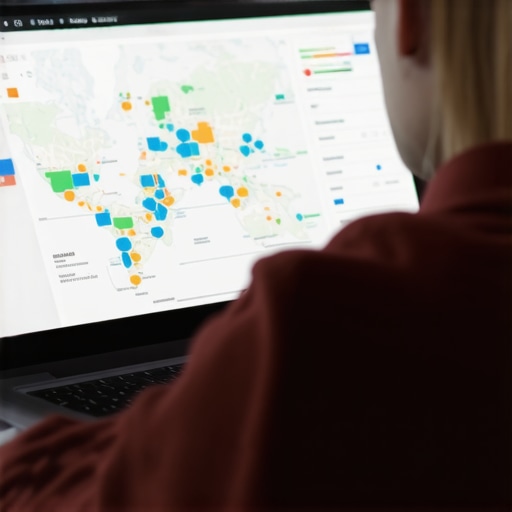
What I Wish I Knew When I Started Climbing the Local Map Ranks
One of my biggest surprises was realizing that quality backlinks from unrelated sources sometimes did more harm than good, highlighting the importance of relevance in building a trustworthy profile. I also learned that inconsistent NAP data across directories could silently sabotage my rankings, making regular audits essential. A lightbulb moment came when I discovered that responding to reviews with personalized, keyword-rich replies could significantly boost engagement and visibility, turning customers into brand ambassadors. Finally, I understood that consistent, small updates to my Google My Business profile—like seasonal photos or service modifications—signaled activity to Google, helping maintain my position in the fiercely competitive Denver local scene.
Tools and Resources That Sharpen My Local SEO Arsenal
My go-to tools include BrightLocal for citation audits, ensuring data consistency across platforms. Whitespark’s Local Citation Finder helps uncover reputable backlink opportunities within Colorado, boosting my local relevance. For tracking rankings dynamically, Moz Local provides valuable insights. These tools, combined with continuous learning from experts and the Denver SEO community, have been vital in my journey to stay ahead in local search.
Keep Moving Forward: Your Map to Success
Staying visible in Denver’s competitive landscape demands persistent effort and adaptability. Regularly auditing your profiles, engaging with customers authentically, and staying updated on algorithm changes will set you apart. Remember, local SEO isn’t a one-time effort but a continuous journey—embrace it with curiosity and persistence. Your Denver business has the potential to dominate the map pack, especially when you combine strategic actions with tools that give you a competitive edge. Are you ready to take control of your local visibility and turn those maps into new opportunities? Share your experiences below—let’s grow together and elevate Denver’s local business scene.



![3 Hidden Maps Ranking Denver Signals to Fix This Week [2026]](https://denvermappackranking.com/wp-content/uploads/2026/02/3-Hidden-Maps-Ranking-Denver-Signals-to-Fix-This-Week-2026.jpeg)