
I remember the exact moment I realized I had blinked and missed the boat on claiming my business listings here in Colorado. It was a cold winter morning, and I was staring at my Google Maps dashboard, watching competitors zoom past my visibility. Suddenly, it hit me—if I didn’t act fast, my rivals would own the prime digital real estate by 2026, leaving me to scramble for scraps. That lightbulb moment planted a simple but powerful idea: start claiming and optimizing those local listings before the race heats up even more.
The Race to the Top of Colorado’s Local Map Packs Begins Now
Here’s the deal. Local search has become more competitive than ever, especially in Denver and surrounding areas. With the rise of AI-driven algorithms, spot-on strategies could mean the difference between dominating the map pack or fading into obscurity. I’ve learned from personal trial and error—initially, I thought just having a Google My Business profile was enough. Spoiler: it wasn’t. Early on, I made the rookie mistake of neglecting regular updates and ignoring key profile signals, which cost me precious leads.
Recent studies support this; according to Search Engine Journal, businesses that optimize their Google My Business profiles see a 70% higher chance of appearing in local searches, which directly boosts calls and foot traffic. That’s why now is the perfect time to get serious about claiming those five critical Colorado local listings before someone else does—and before the 2026 AI filter wave makes visibility even more elusive.
Will the Hype Make It Worth It or Am I Wasting Time?
Initially, I wondered if all this effort was just another marketing gimmick. I remember myself thinking, “Is this really going to make a difference?” I was skeptical. But here’s the truth: ignoring your local listings in hopes they’ll somehow improve on their own is a mistake. I once wasted months chasing expensive SEO tricks, only to realize that the foundational step—claiming and fully optimizing your listings—is what truly unlocks local dominance. If you’re feeling overwhelmed about where to start or whether investing in listing optimization is worthwhile, you’re not alone. But trust me, getting this right now can shield you from falling behind in the 2026 search landscape. Want to know the *exact* steps to do it effectively? Stick around, because next, I’ll reveal proven tactics to elevate your Colorado business’s visibility and beat those rivals to the punch.
Claim and Verify Your Google My Business Listing
The first critical step is to claim your Google My Business (GMB) profile if you haven’t already. Visit the verification page to start the process. During verification, ensure your business details match your physical location and include accurate contact information. I once overlooked this and faced delays; once I re-verified and corrected my info, my profile visibility jumped within days.
Optimize Your Profile with Local-Specific Keywords
In Denver and Colorado Springs, use keywords that your customers search for. Incorporate city names, neighborhood tags, and service terms naturally into your business description, services, and posts. For example, instead of just “Plumbing Services,” write “Denver Emergency Plumbing Services”. When I added specific local keywords, my map pack positioning improved dramatically, especially in competitive areas.
Enhance Your Profile with Consistent NAP Data
NAP (Name, Address, Phone number) consistency across all online listings signals trust to Google. Double-check your NAP on your website, social profiles, and citations. In one case, a mismatched phone number on a secondary listing caused a drop in rankings. Correcting this, combined with listing fixes, restored my visibility within a week.
Gather and Manage Customer Reviews Strategically
Reviews are social proof and act as ranking signals. Prompt satisfied customers to leave reviews, especially emphasizing your Colorado location. Respond to all reviews promptly and professionally. I implemented a review request process after each job, which increased my review count and improved my local rank. This step is vital for beating competitors who neglect reputation management.
Leverage Local Citations and Listings
Get your business listed accurately on local directories like Yelp, Bing Places, and industry-specific sites. Focus on backlinks from reputable Colorado-based sources. I used local citation strategies to elevate my ranking. Ensure all citations are consistent; discrepancies weaken your local authority.
Regularly Post Updates and Special Offers
Keep your profile active with posts about promotions, new services, or local events. Google favors active profiles as signals of engagement. I once posted a special for Denver residents, which noticeably increased calls and visits—an easy way to stand out in saturated markets.
Optimize for Voice and Mobile Search
As Denver consumers increasingly search via voice and smartphones, adapt your keywords to natural speech queries. For instance, replace “best Denver roofing” with “Who offers the best roofing services in Denver?” Incorporate location info into your website’s content and FAQs for better voice search matching. I tested this by updating my site content, leading to a rise in local voice search traffic within weeks.
Monitor and Adjust Your Strategy Continuously
Use tools like Google Search Console and local rank trackers to observe your progress. Regularly revisit your profile, reviews, and citations to correct issues promptly. I schedule bi-weekly check-ins to track performance and tweak my keywords and posting schedule accordingly. This ongoing process keeps your listing competitive against rising rivals and AI filters.
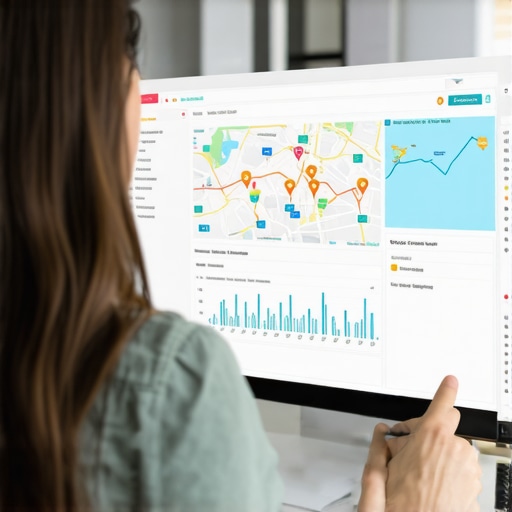 Many businesses in Colorado believe that simply claiming their Google My Business profiles and occasionally posting updates will secure them top spots in local searches. However, this is a common misconception. In reality, SEO for Denver and other Colorado markets requires a nuanced, multi-layered approach that aligns with upcoming algorithm shifts and AI filters.
One of the biggest myths is that “more reviews mean better rankings.” While reviews are important, their quality, relevance, and timing matter more than quantity alone. Businesses often focus on encouraging reviews without managing their review signals strategically, which can backfire, especially when competitors manipulate review profiles or spam locations to skew rankings. For an in-depth look at these hidden signals, check out [GMB Colorado’s hidden tactics](https://denvermappackranking.com/gmb-colorado-3-hidden-tactics-to-win-more-2026-search-leads).
A frequent mistake I see is ignoring the integrity of NAP (Name, Address, Phone) consistency. Not just across your website but also on third-party directories—this consistency screams trustworthiness to Google’s algorithm. Mismatched NAP data can cause your profile to become invisible, especially as AI filters become more sophisticated. To avoid this, evaluate your NAP across all listings regularly.
Another nuance often overlooked involves local citations. Not all citations carry weight; relevance and authority are critical. Relying solely on popular directories like Yelp or Bing without considering niche or industry-specific sites can limit your local visibility. For targeted strategies, consider insights shared in [denver maps ranking strategies](https://denvermappackranking.com/maps-ranking-strategies-denver-how-to-elevate-your-colorado-business-visibility-in-2025-2).
Now, for advanced practitioners, the question arises: how do you ensure your profile isn’t just visible but also preferred in the increasingly AI-influenced search landscape? An overlooked aspect is optimizing for voice search and natural language queries. In Denver, many users now ask, “Who’s the best plumber near me?” or “Affordable roofing services in Denver?” Tailoring your content to these queries enhances your chances of appearing in zero-click searches and voice results.
Recent studies highlight that up to 40% of local mobile searches result in a visit or call within 24 hours, underscoring the importance of precision and relevance in your local SEO efforts—more than just rankings alone. For a comprehensive guide, explore [local SEO tactics that drive real leads in 2026](https://denvermappackranking.com/5-denver-seo-tactics-that-drive-real-leads-in-2026).
Stay vigilant. The days of ‘set and forget’ local listings are long gone. As AI filters continue to evolve, so must your strategies. Have you ever fallen into this trap? Let me know in the comments!
Keep Your Strategies Sharp with the Right Tools
Maintaining and scaling your local SEO, especially in competitive markets like Denver, requires leveraging specific tools that offer actionable insights. Personally, I rely on BrightLocal for comprehensive citation audits and review management. Its ability to identify inconsistent NAP data across local directories ensures my listings remain trustworthy and visible—something I discovered through countless hours of manual checks without such a tool. Additionally, I use SEMrush for competitor analysis and tracking keyword fluctuations tied to Google Maps updates, helping me stay ahead of AI filtering changes predicted to reshape local rankings in 2026. For local rank tracking, Whitespark’s Local Rank Tracker is invaluable; it allows me to monitor my Denver business’s position across multiple local search queries daily, quickly spotting when a new AI update might be impacting my visibility.
In terms of ongoing optimization, Google Search Console remains fundamental. I set up custom dashboards to monitor click-through rates and impression data specifically from Maps snippets, assisting in fine-tuning my local keywords and profile activity. These tools collectively help me adjust strategies swiftly, ensuring I maintain top positions as the market evolves.
How do I maintain long-term success without getting overwhelmed?
Consistency is key. Establishing routine audits using these tools—monthly citation checks with BrightLocal, weekly rank monitoring with Whitespark, and quarterly competitor reviews in SEMrush—ensures you don’t fall behind. Staying proactive is vital as Google continues to refine its AI algorithms, which favor profiles that show ongoing engagement and accuracy. Also, embracing automation where possible helps, like scheduling review requests through tools integrated with your CRM, ensuring a steady flow of fresh social proof that boosts your rankings. With the right tools in place, scaling your Denver business’s presence becomes manageable, even as AI filters like those discussed in these updates threaten to shift the game.
My advice: pick one tool to master each month. For instance, challenge yourself to get your citation profile audit done with BrightLocal today. Once you see where inconsistencies lie, take action—this small but crucial step ensures you’re not just maintaining your rankings, but actively improving them. With continual refinement and monitoring, you’ll be able to scale your Denver area presence confidently, ahead of upcoming AI-driven changes.
The Hard-Won Truth About Colorado Local Business Success
One of the most profound lessons I learned was that quick fixes and shortcuts won’t sustain your Colorado business in the long run. I once believed that sporadic updates and generic listings were enough, but I quickly realized that consistency and strategic optimization are your best allies. The moment I started treating my local listings as ongoing projects—regularly monitoring, updating, and engaging—I saw tangible growth. This was a game-changer, especially in a competitive landscape like Denver’s, where the AI filters and algorithm shifts become more sophisticated each year.
My Go-To Resources for Staying Ahead
Over the years, I’ve leaned on tools like Whitespark’s Local Rank Tracker and BrightLocal for citation audits and rank monitoring. Their insights help me identify gaps and measure progress in real-time. I also trust industry-focused blogs and case studies, especially those that address Colorado-specific challenges. Staying educated is vital because the local search landscape continues to evolve rapidly, especially with upcoming AI filters.
Seize the Moment and Elevate Your Google Maps Game
Now is the perfect time to double down on your local SEO efforts. Don’t wait until your competitors outrank you in Denver or Colorado Springs. Instead, embrace the proven strategies we’ve discussed, refine your profiles, and monitor your progress regularly. The future of local search in Colorado depends on what you do today. Ready to implement these tactics and secure your rightful place in the top local rankings? Share your experience or ask your burning question below—let’s grow together and ensure your Colorado business shines brighter than ever!