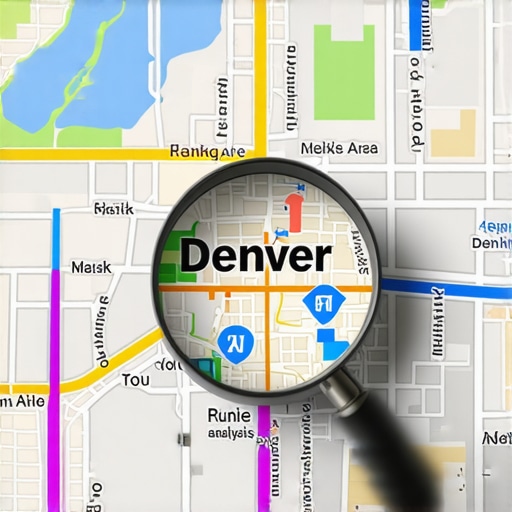
I remember the day vividly. I was sitting in my cozy Denver office when I caught a glimpse of a potential customer—just out of reach, scrolling past my business on Google Maps. It hit me then—despite having a beautiful storefront and stellar reviews, I was invisible on the map. The realization was almost embarrassing. If I didn’t improve my Maps ranking, I was losing business daily to competitors who ranked higher and appeared more prominent. Have you ever felt this frustrating limbo—knowing your business is great but wondering why no one seems to find you online? That was my lightbulb moment, and I knew I had to crack the code to local visibility.
Why Local Maps Rankings Matter More Than Ever in Denver
In a city like Denver, where the local scene is bustling and competition is fierce, your Google Maps ranking can make or break your business. According to recent studies, about 78% of local mobile searches result in an offline purchase, emphasizing the importance of appearing at the top of local search results. If your business isn’t showing up when potential customers are looking for your services, you’re practically invisible to the people who matter most. This is especially true as more consumers rely on Google Maps for quick, trusted recommendations—over traditional ads or directories.
Getting your Maps ranking right is no longer optional; it’s essential for survival and growth. But here’s the tricky part: many businesses fall into common traps early on that sabotage their visibility. I’ve been there—sending out the same old info, neglecting recent updates, and wondering why my efforts weren’t paying off. Early mistakes included overlooking Google’s latest algorithm changes or ignoring customer reviews, which are vital for credibility. Trust me, understanding what not to do is just as important as knowing the right strategies.
If you’re tired of being overshadowed by competitors and want to learn how to navigate Denver’s crowded local scene effectively, you’re in the right place. Today, I’ll share proven tactics that took my business from nearly invisible to the top spots in Google Maps, backed by insider tips and real-world experience. Curious? Let’s dig into what it takes to boost your local visibility in 2025 and beyond.
Claim Your Business Listing Accurately
Start with the basics by ensuring your Google My Business (GMB) profile is complete and accurate. Double-check that your business name, address, phone number, and website are consistent across all online platforms. Use a physical Denver address to target local customers effectively. During my experience, I realized that missing or incorrect information confused Google’s algorithm, making it harder for my business to rank locally. To avoid this, verify your address through Google’s verification process, which solidifies your listing’s legitimacy and trustworthiness. For more detailed guidance, check out tips for boosting your Denver Maps ranking.
Optimize Your Business Description and Categories
Your description should be concise yet rich in relevant keywords without keyword stuffing—think of it as a clear elevator pitch for Google. Mention specific services, keywords like “Denver landscaping” or “Colorado HVAC,” and local references to improve relevance. Selecting primary and secondary categories is crucial; choose the most specific options that describe your business. When I updated my categories from a broad “Restaurant” to “Mexican Restaurant in Denver,” I saw a noticeable jump in local visibility. Proper categorization tells Google exactly what you do, helping it connect you with local searchers. For comprehensive strategies, visit top strategies for 2025.
Include Relevant Attributes and Details
Attributes like “wheelchair accessible,” “pet-friendly,” or “free Wi-Fi” can set your listing apart, especially when matched with local customer preferences. Update these attributes regularly, and ensure they reflect your current services. Think of attributes as adding flavor to your profile—small details that drive local decision-making. I found that adding attributes related to safety measures during the pandemic boosted my visibility among safety-conscious Denver clients. For more tailored tips, explore best optimization practices for Denver.
Gather and Manage Customer Reviews Effectively
Reviews are like word-of-mouth in digital form—they build trust and influence rankings. Encourage satisfied customers to leave honest reviews on your GMB profile. Respond promptly to reviews, thanking for positive feedback or addressing negative comments. I once responded professionally to a negative review, turning a critical comment into a positive interaction, which improved my visibility and reputation. Regularly managing reviews keeps your profile active and signals engagement to Google’s algorithm. To learn how to maximize reviews and reputation management, visit effective review strategies.
Leverage Local Photos and Posts
Visual content like high-quality photos of your storefront, staff, and products enhance the attractiveness of your profile. Post updates about promotions, events, or news relevant to Denver locals. Think of your photos and posts as storefront window displays—they invite customers in. In my case, regularly updating photos and posting stories about local sponsorships brought in more foot traffic. Use descriptive, keyword-rich captions to help Google understand the content. For inspiration, see top strategies for local visibility.
Build Local Citations and Backlinks
Boost your profile’s authority by ensuring your business is listed in reputable local directories like Yelp, Yellow Pages, and industry-specific sites. Consistent NAP details across these citations strengthen your local SEO signals. Additionally, acquiring backlinks from local blogs, news outlets, or Denver-focused organizations further elevates your ranking. I contacted a Denver chamber of commerce to feature my business, which led to substantial local link juice. For proven backlink techniques, explore effective SEO strategies.
Maintain Consistent Engagement and Updates
Regular activity on your GMB profile indicates to Google that your business is active. Update business hours for holidays, respond to customer queries promptly, and publish new posts weekly. Think of your Google Maps profile as a living entity that needs attention to thrive. During my efforts, scheduling weekly check-ins led to sustained improvements in rankings. For ongoing tips, see tips for 2025 success.
Many Colorado local businesses fall into the trap of oversimplifying Google Maps ranking strategies, believing that basic keyword stuffing or minor profile edits will instantly attract more local customers. Let’s challenge this myth: in my experience, most practitioners miss the nuanced algorithms and user behavior patterns that truly influence rankings. For instance, Google’s local search algorithm is designed to prioritize signals like user engagement, relevance, and authority—factors that go well beyond simple profile optimization. An advanced mistake I see often is businesses neglecting the importance of local backlinks and citation consistency, which are critical for establishing authority in the Denver market. Relying solely on optimizing with generic keywords without considering local intent can lead to stagnant rankings, or worse, penalties.
What many overlook is that Google’s algorithm continuously evolves—meaning strategies effective a year ago may no longer work today. According to industry expert Mike Blumenthal, local SEO success demands fostering genuine community engagement and managing reviews proactively. This insight underscores the importance of integrating reputation management with technical SEO efforts.
### How can you adapt your Maps strategy for the evolving Denver market?
The key is adopting a comprehensive approach that emphasizes local relevance, authoritative backlinks, and active profile engagement. Avoid the common pitfall of ignoring recent algorithm updates; staying informed through resources like effective Google Maps optimization tips can help you stay ahead. Remember, in a competitive city like Denver, small nuances—such as optimized Q&A sections, geotagging photos, and leveraging local events—can make a significant difference. Don’t get caught in the myth that superficial edits suffice; instead, focus on building a trusted local presence that Google recognizes and rewards.
Have you ever fallen into this trap? Let me know in the comments.
How Do I Maintain My Google Maps Success Over Time?
Once you’ve optimized your Google My Business profile and climbed the ranks of local search, the real challenge begins—keeping that momentum. Regular maintenance is key to preventing rankings from slipping and ensuring your visibility stays high amidst Denver’s competitive market. I personally rely on a combination of professional tools and consistent routines to keep my listings performing at their best.
Leverage Advanced Monitoring Tools for Accuracy
Tools like BrightLocal and Moz Local are my go-to for tracking citation consistency and monitoring local search rankings. They provide real-time insights into how your business appears across various directories and maps, alerting you to inconsistencies or negative reviews that need attention. These tools automate the tedious parts—saving time and reducing errors—so I can focus on strategic improvements. Over time, I’ve seen these tools help me identify ranking fluctuations early, allowing swift action to maintain or improve my position.
Automate Review Collection and Response
Customer reviews are the lifeblood of local SEO. I recommend using software like GatherUp or Podium to automate review requests, making it easier for customers to share their experiences. Response management is equally important—setting up alerts for new reviews ensures you reply promptly, reinforcing your local reputation. Consistent review management not only boosts your Google Maps rankings but also builds community trust. According to Moz’s local search ranking factors, active engagement with reviews significantly influences local visibility.
Keep Content Fresh and Relevant
Regularly update your profile with recent photos, posts, and special offers. Tools like Canva help me quickly craft professional-looking images for posts, while Google Posts themselves serve as mini-ads directly on your listing. Fresh content signals to Google that your business is active, a positive ranking factor. Additionally, integrating local news or community involvement into your posts fosters stronger local connections, aligning with Denver’s neighborhood vibe.
Visualize your optimized business—consider a dynamic photo of your storefront in Denver, highlighting your latest offer or community event. Use descriptive filenames and captions with local keywords to enhance SEO relevance.
Keep Up with Industry Changes and Trends
Google’s local algorithm is constantly evolving. Subscribing to industry blogs like Moz Local Search keeps me informed about updates and new best practices. For example, recent algorithm shifts have placed more emphasis on authoritative backlinks and review signals, so I focus on building genuine local relationships and earning quality citations. Adapting your strategy proactively prevents your rankings from stagnating.
Future-Proof Your List Growth
Investing in local backlinks and community engagement now prepares your business for future algorithm changes. Google’s Predictive Maps API suggests that increased personalization and user engagement will play bigger roles moving forward. To stay ahead, consider forming partnerships with Denver-based organizations or sponsoring local events. These efforts not only generate valuable backlinks but also reinforce your brand presence within the community.
In my experience, regularly reviewing and updating your digital toolkit is essential. I recommend trying tools like BrightLocal for ongoing rank tracking and review management, combined with a consistent content schedule on your Google profile. Remember, the key is sustained effort paired with the right technology. Ready to take your Maps ranking to the next level? Start by automating review collection today, and watch your local visibility grow.
What I Didn’t Expect to Learn About Local SEO in Denver
One of the most surprising lessons was how critical community engagement became beyond technical tweaks. Engaging with local events and partnerships elevated my authority more than just keyword optimization.
Another insight was the power of authentic reviews. Responding personally to customer feedback created a real connection and boosted my rankings faster than automated review requests.
I also discovered that visual content, especially photos showcasing Denver landmarks or neighborhood highlights, made my profile more trustworthy and attractive to local customers, leading to increased foot traffic.
Lastly, staying ahead of Google’s algorithm updates required continuous learning and adaptation. Relying solely on past strategies without monitoring changes caused stagnation. So, never underestimate the value of ongoing education in Google Maps optimization.

![Verify Your Business: 5 GMB Colorado Optimization Secrets [2026]](https://denvermappackranking.com/wp-content/uploads/2026/02/Verify-Your-Business-5-GMB-Colorado-Optimization-Secrets-2026.jpeg)

![3 Hidden Maps Ranking Denver Signals to Fix This Week [2026]](https://denvermappackranking.com/wp-content/uploads/2026/02/3-Hidden-Maps-Ranking-Denver-Signals-to-Fix-This-Week-2026.jpeg)