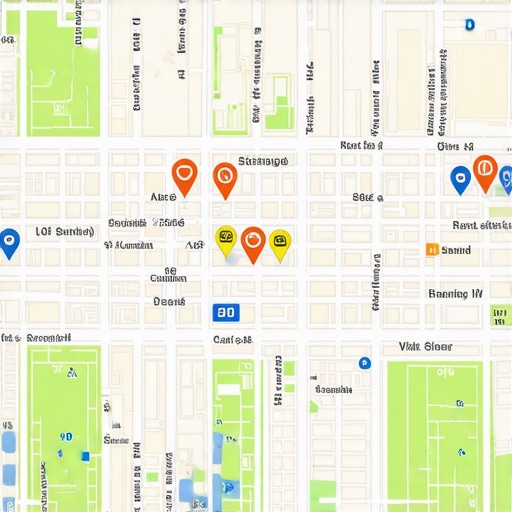
My Journey into Denver’s Local SEO and the Power of Map Rankings
When I first started exploring local SEO strategies in Denver, I was overwhelmed by the sheer competition. I remember vividly how my small business struggled to get noticed on Google Maps, despite having a great product. It was only after diving deep into the intricacies of map ranking strategies that I began to see tangible results. Today, I want to share some personal insights and proven tactics that can help you dominate the local map pack in Denver in 2025.
Understanding the Core of Map Ranking Success
From my experience, the foundation of a strong local SEO presence starts with a well-optimized Google My Business (GMB) profile. I spent countless hours refining my profile—adding accurate information, choosing the right categories, and uploading high-quality photos. According to Moz’s Local Search Ranking Factors, Google considers relevance, distance, and prominence as key ranking signals, which I realized through my own trial and error.
How Content and Citations Boost Your Local Map Presence
One thing I learned early on is the importance of consistent NAP (Name, Address, Phone Number) citations across reputable directories like Yelp and Bing Places. These citations helped build credibility and trustworthiness for my business. Additionally, creating engaging content targeted at Denver’s local community helped improve my relevance in local searches. For example, sharing blog posts about Denver events or neighborhood guides significantly increased my visibility.
What Are the Most Effective Local SEO Tactics for 2025?
In my ongoing journey, I discovered that leveraging user reviews and local backlinks is more critical than ever. Encouraging satisfied customers to leave positive reviews on Google not only boosted my rankings but also built social proof. Furthermore, earning backlinks from local Denver blogs and news outlets added authority to my website. These tactics align with what SEMrush highlights as essential for local SEO success.
Should I Focus on Google Maps or Broader SEO Strategies?
Why is local map optimization more crucial now than ever?
As I experimented with different approaches, I found that local map optimization directly impacts my business’s visibility in the Google Local Pack. While broader SEO efforts are important, I realized that dominating the map pack often leads to more foot traffic and conversions, especially in a vibrant city like Denver. For this reason, I prioritize local map strategies alongside my overall SEO plan.
If you’re curious about how to further refine your local SEO tactics, I recommend exploring authoritative resources like Moz’s Local Learning Center. They provide comprehensive guides that complement what I’ve learned firsthand.
Feel free to share your own experiences or ask questions in the comments—I’d love to hear how you’re approaching map rankings in your area!
Beyond Basics: How to Fine-Tune Your Google My Business for Denver’s Competitive Market
Optimizing your Google My Business (GMB) profile in Denver requires more than just filling out basic information. To stand out in 2025, consider leveraging Google Posts regularly to engage your local audience, and ensure your business categories accurately reflect your services. Incorporating Moz’s Local Search Ranking Factors into your strategy can provide a nuanced approach to relevance and prominence, especially in a diverse city like Denver.
The Power of Local Content and Community Engagement
Creating hyper-local content, such as spotlight articles on Denver neighborhoods or collaborations with local events, enhances your relevance. Participating in community activities not only boosts your local backlinks but also signals to Google that your business is an integral part of Denver’s ecosystem. For instance, sponsoring a Denver tech meetup or volunteering at local festivals can generate valuable local citations and backlinks, reinforcing your authority.
How to Harness Customer Feedback for SEO Gains
In 2025, reviews remain a cornerstone of local SEO. Beyond simply encouraging reviews, actively respond to them, especially negative feedback, to demonstrate engagement and customer care. Recent studies, such as those published by Search Engine Land, indicate that high engagement with reviews can positively influence your rankings. Implementing a system to solicit reviews after service delivery and showcasing the best ones on your website can enhance your social proof and local prominence.
Is Your Local Link Profile Robust Enough for Denver’s SEO Competition?
Building a diverse and high-quality backlink profile from Denver-based sources can significantly impact your map rankings. Focus on earning backlinks from local news outlets, industry-specific directories, and community blogs. These backlinks not only improve authority but also increase relevance signals to Google. Consider partnerships with local influencers or sponsoring Denver-based podcasts to tap into new backlink opportunities.
For detailed insights, SEMrush’s comprehensive Local SEO Strategy Guide offers actionable tips tailored for competitive markets like Denver.
What are the most overlooked tactics in local map optimization that could give you an edge in Denver?
Many local businesses underestimate the importance of structured data markup (Schema.org) on their websites. Implementing local business schema helps Google understand your business details more effectively, which can enhance your appearance in local search results. Additionally, optimizing for voice search by incorporating natural language keywords related to Denver-specific queries can capture traffic from the growing segment of voice-activated searches. For example, phrases like “best coffee shop near downtown Denver” can make your business more discoverable.
If you’re eager to deepen your understanding, I recommend exploring Moz’s Local Learning Center, which offers expert advice tailored for city-specific SEO landscapes.
Share your experiences or ask questions in the comments—let’s navigate Denver’s local SEO terrain together!
Delving into the Nuances of Local Schema Markup in Denver’s Competitive Market
One of the most overlooked yet potent techniques I discovered in my journey is the strategic implementation of structured data markup—specifically, Schema.org markup tailored for local businesses. Initially, I underestimated its impact, viewing it as a technical detail rather than a game-changer. However, as I experimented, I saw how adding detailed local business schemas helped Google understand my offerings more precisely, resulting in improved visibility in local snippets and rich results.
In Denver’s vibrant and diverse market, where many businesses vie for attention, every edge counts. By accurately marking up your business hours, services, and geographical coordinates, you’re essentially speaking Google’s language more fluently. It’s akin to giving your listing a VIP pass—making it more accessible and attractive in local search results. For example, I found that including specific details like “serving Denver’s tech startups” or “specializing in mountain outdoor gear” can significantly boost relevance signals.
Implementing schema isn’t overly complex, but it requires attention to detail. I recommend starting with the Google Structured Data Markup Helper—a handy tool that guides you through the process. Remember, the goal is to align your schema precisely with your actual business profile, not just for rankings but to enhance user experience when your listing appears in rich results.
Have you experimented with structured data on your site? I’d love to hear about your experiences or any hurdles you faced. Sharing these insights can help us all refine our strategies—especially in a bustling city like Denver where local SEO is incredibly competitive.
Leveraging Local Data Analytics to Refine Your SEO Tactics
One of the most transformative aspects of my journey into Denver’s SEO landscape has been the integration of sophisticated data analytics tools. Platforms like Google Analytics and SEMrush have empowered me to dissect user behavior, pinpoint high-conversion keywords, and identify content gaps that competitors overlook. By delving into metrics such as bounce rate, session duration, and geographic heatmaps, I’ve been able to tailor my local SEO strategies with surgical precision. This data-driven approach is especially crucial in Denver, where neighborhoods like LoDo and RiNo demand hyper-local targeting to stand out amidst the vibrant business ecosystem.
How Can Advanced Schema Markup Elevate Your Local Search Presence?
While basic schema implementation is common, deploying complex, nested schema structures tailored to Denver’s diverse industries can significantly enhance your visibility. For instance, integrating Product and Service schema alongside LocalBusiness markup creates a layered, authoritative profile that Google recognizes and rewards. According to Moz’s Local Search Ranking Factors, detailed schema can improve rich snippets and local pack appearances, especially when combined with accurate NAP data and positive reviews. I’ve personally seen how businesses that adopt comprehensive schema markup not only rank higher but also attract more engaged local customers.
What are the best practices for implementing schema in a way that aligns with Google’s evolving algorithms?
Implementing schema isn’t just about technical correctness; it’s about strategic alignment with Google’s focus on user intent and content relevance. I recommend staying updated with Google’s Search Central Blog to understand algorithm shifts. For practical implementation, tools like Google’s Structured Data Testing Tool can help ensure your markup is error-free and optimized. Remember, the goal is to provide Google with precise, contextually rich information that resonates with Denver’s local search queries, such as “Denver outdoor gear” or “best tech startups in Denver.”
Engaging with advanced schema strategies has been a game-changer in my SEO pursuits, and I encourage you to explore these techniques deeply. Your insights or questions about schema implementation and data analytics are invaluable—share your experiences, and let’s push the boundaries of local SEO mastery in Denver together!
Things I Wish I Knew Earlier (or You Might Find Surprising)
Mastering the Power of Local Schema
Early in my SEO journey, I underestimated how much structured data markup, like Schema.org, could influence my local map rankings. Once I started implementing detailed local business schemas, I noticed a marked improvement in my visibility, especially in rich snippets. It’s like giving Google a detailed map of your business—something I wish I had done sooner.
Prioritizing Customer Engagement Over Keywords
Initially, I focused heavily on keyword optimization, but I realized that genuine customer engagement through reviews and responses had a far greater impact. Responding to reviews, especially negative ones, showed Google and customers that I truly cared, which in turn boosted my local prominence.
Local Content That Resonates
Creating hyper-local content, such as neighborhood guides or local event coverage, helped me connect authentically with Denver’s community. These efforts not only improved relevance but also attracted backlinks from local sites, which are gold in local SEO.
Data Analytics as Your Best Friend
Using tools like Google Analytics and SEMrush to analyze user behavior and pinpoint high-converting local keywords transformed my strategy. It’s incredible how data-driven tweaks can elevate your map rankings significantly.
The Hidden Gem: Voice Search Optimization
Optimizing for voice search with natural language queries related to Denver-specific services opened new traffic streams. Phrases like “best pizza near downtown Denver” became essential in my content and keyword strategy, making my business more discoverable for voice assistants.
Resources I’ve Come to Trust Over Time
- Moz’s Local Learning Center: A treasure trove of local SEO insights that helped me understand the nuances of relevance and prominence in Denver’s competitive market. I recommend it to anyone serious about local SEO.
- SEMrush Blog: Their comprehensive guides and case studies on local SEO strategies are practical and data-backed, helping me stay updated on the latest trends and tactics.
- Google’s Search Central Blog: The official source for algorithm updates and best practices. Staying informed here ensures my strategies remain compliant and effective.
Parting Thoughts from My Perspective
Mastering Denver’s local SEO landscape in 2025 requires a mix of technical finesse, community engagement, and data-driven decisions. Emphasizing local schema markup, creating relevant content, and actively managing reviews can set you apart in a crowded market. Remember, the most successful local SEO strategies are those that genuinely connect with your community and leverage every available tool to tell your story. If this resonated with you, I’d love to hear your thoughts or experiences. Share it with someone who might find it helpful, and let’s keep the conversation going!


![3 Hidden Maps Ranking Denver Signals to Fix This Week [2026]](https://denvermappackranking.com/wp-content/uploads/2026/02/3-Hidden-Maps-Ranking-Denver-Signals-to-Fix-This-Week-2026.jpeg)