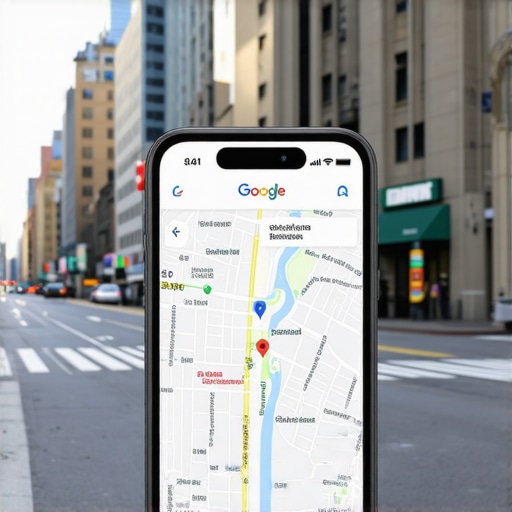
My First Encounter with Google Maps Optimization in Denver
Not long ago, I found myself struggling to make my local business stand out amidst Denver’s bustling marketplace. I realized that despite having a great product, my visibility on Google Maps was minimal. That’s when I decided to dive deep into Google Maps optimization, and it completely transformed my approach. I want to share my personal insights on how effective Google Maps optimization in Denver can truly boost your local business.
Why I Chose Denver for My Local SEO Adventure
Denver is a vibrant city with a competitive local SEO scene. I observed firsthand how businesses that invested in proper map optimization gained a significant edge. I studied Denver-specific strategies like optimizing Google My Business profiles and leveraging local keywords, which are crucial for city-specific rankings. The importance of local SEO became clear to me, especially when I started seeing results after implementing these tactics.
My Step-by-Step Experience with Google Maps Optimization
Initially, I focused on claiming and verifying my Google My Business profile. I filled out all relevant information, added high-quality photos, and used keywords naturally in my description. I also encouraged satisfied customers to leave reviews, which played a major role in improving my rankings. I learned that consistent updates and accurate NAP (Name, Address, Phone Number) details across all platforms are vital for maintaining local trustworthiness.
What Are the Key Strategies That Made a Difference?
One strategy I found particularly effective was using local keywords in my profile and posts, such as “Denver coffee shop” or “best brunch in Denver.” I also optimized my website for local SEO, ensuring my content tied back to Denver-specific keywords. For more detailed tactics, I referred to authoritative sources like Top Maps Ranking Strategies in Denver, which provided valuable insights that I adapted to my business.
How Can I Ensure My Google Maps Listings Stay Competitive?
What are the ongoing best practices to maintain and improve my local map rankings?
Consistency in reviews, regular posting, and updating business information are key. Monitoring competitors and adjusting strategies accordingly also helps. I learned that local SEO is an ongoing process, not a one-time setup. Additionally, exploring Denver-specific SEO strategies, as outlined here, can give you an edge in local visibility.
If you’re serious about boosting your local business through Google Maps, I highly recommend experimenting with these strategies and sharing your experiences. Have you tried any unique tactics that worked well for your Denver-based business? Feel free to comment below!
Unlocking Local Success: How Ongoing Google Maps Optimization Elevates Your Denver Business
Maintaining a robust presence on Google Maps isn’t a one-and-done effort; it requires consistent nurturing and strategic refinement. As an SEO expert with extensive experience in Denver’s vibrant local landscape, I’ve seen firsthand how persistent efforts can dramatically improve visibility and customer engagement over time.
The Power of Regular Engagement and Feedback Loops
One of the most crucial ongoing practices is actively engaging with your customer base through reviews and updates. Responding promptly to reviews, whether positive or negative, demonstrates your commitment to customer satisfaction and boosts your local credibility. Additionally, encouraging satisfied customers to leave reviews can significantly influence your rankings, especially when those reviews include relevant local keywords naturally. Regularly updating your Google My Business profile with fresh photos, special offers, or upcoming events also signals activity to Google, reinforcing your relevance in the Denver area.
How Do Competitive Analyses Shape Long-Term Strategies?
What insights can be gained by continuously monitoring local competitors’ Google Maps profiles?
Monitoring your competitors’ Google Maps listings provides valuable intelligence on their strategies and helps identify gaps in your own profile. For instance, if competitors frequently update their photos or post about local events, adopting similar tactics can keep your profile competitive. Tools and techniques such as local keyword tracking, review analysis, and profile audits are instrumental in this process. Integrating findings from authoritative sources like Denver-specific SEO strategies ensures your efforts align with proven best practices and evolving algorithms.

Leveraging Local Content and Community Engagement
Creating content that resonates with Denver’s local community can fortify your local SEO efforts. This includes posting about local events, partnerships, or community initiatives directly on your Google My Business profile. Such content not only enhances your profile’s activity signals but also fosters a sense of community connection—an intangible asset that can translate into loyal customers and positive reviews.
What Are the Practical Steps to Sustain and Enhance Map Rankings?
Practical steps include maintaining NAP consistency across all online platforms, actively soliciting reviews, updating profile information regularly, and leveraging local keywords in your posts. Additionally, integrating your Google Maps strategy with broader local SEO initiatives—such as optimizing your website for Denver-specific search queries—creates a cohesive ecosystem that boosts your overall visibility.
If you’re interested in exploring more nuanced tactics, I recommend delving into top maps ranking strategies in Denver for 2025. Implementing these insights can position your business at the forefront of Denver’s competitive local landscape. Have you found any unique local engagement strategies that consistently drive better rankings? Share your experiences or ask questions below—let’s grow together!
What Are the Hidden Layers of Google Maps Optimization That Can Elevate Your Denver Business?
Reflecting on my journey, I realize that beyond the basic tactics of claiming and optimizing your Google My Business profile, there lies a sophisticated layer of strategies that can significantly impact your local visibility. For instance, understanding the nuances of Google’s local algorithm updates—like how recent changes prioritize user engagement signals—can make or break your ranking. I remember dedicating time to analyzing competitor patterns and noticing that those who regularly update their profiles, respond to reviews, and post local content tend to maintain higher rankings over time. This insight pushed me to develop a more dynamic approach, integrating community events, seasonal offers, and local collaborations into my profile activity, which in turn, amplified my relevance in Denver’s competitive landscape.
How Can I Leverage External Local Signals to Boost My Maps Rankings?
One aspect I overlooked initially was the power of external local signals—such as local backlinks, citations, and community mentions—that influence your Google Maps ranking. For example, securing backlinks from reputable Denver community sites or partnering with local influencers can create a web of trust and authority around your business. I found that engaging with Denver-specific directories, local blogs, and participating in community events not only enhances your profile’s credibility but also generates organic citations that Google recognizes as signals of local authority. According to Denver-specific SEO strategies, these external signals can be game-changers in a city with fierce local competition.
How Do I Stay Ahead in an Ever-Changing Local SEO Landscape?
Keeping up with Google’s evolving algorithms requires a proactive mindset. I learned that regularly auditing my profile and tracking local search trends in Denver allowed me to adapt swiftly. Tools like local keyword tracking and competitor analysis became part of my monthly routine. Moreover, engaging with the community through local content creation—such as highlighting Denver’s unique neighborhoods or upcoming events—created a sense of authenticity and authority that Google favors. I also experimented with Google Posts, sharing behind-the-scenes stories and customer success highlights, which kept my profile active and engaging.
Implementing continuous learning and staying connected with Denver’s local business community proved invaluable. I recommend exploring resources like top maps ranking strategies in Denver for 2025 to stay ahead of the curve. Have you discovered any advanced tactics that have helped your local SEO efforts? I’d love to hear your experiences—share your insights or questions in the comments below, and let’s grow together in this vibrant Denver market!
Unveiling the Subtle Art of Local Authority Building in Denver
Beyond the immediate tactics of profile optimization, I discovered that cultivating local authority is pivotal for sustained Google Maps success. Engaging with Denver’s community through sponsorships, local event participation, or partnerships can generate invaluable backlinks, citations, and social signals that Google perceives as trust indicators. For instance, collaborating with Denver-based nonprofits for community initiatives not only enhances reputation but also organically boosts your local citations, reinforcing your profile’s credibility.
Why External Signals and Content Coherence Matter More Than Ever
Google’s evolving algorithms increasingly prioritize external signals—such as backlinks from high-authority local sites and consistent NAP citations—over simple on-page optimizations. I found that a strategic approach to external content, like guest blogging on Denver’s prominent local blogs or engaging in neighborhood forums, amplifies your profile’s relevance. Moreover, aligning your Google My Business updates with your website’s content ensures a unified narrative that Google’s algorithms favor, creating a seamless user and search engine experience. For deeper insights, I recommend exploring Denver-specific SEO strategies that emphasize content coherence and external signal strength.
How Can Data-Driven Optimization Propel Your Local SEO Forward?
Utilizing analytics tools like Google Search Console and local SEO trackers allows me to identify ranking fluctuations and user engagement patterns. These insights help refine strategies—whether it’s optimizing for emerging Denver neighborhoods or adjusting keyword focus based on search trends. I’ve learned that a data-driven approach enables proactive adjustments, transforming reactive tactics into strategic advantages. For instance, analyzing search intent behind local queries helps tailor content that resonates with Denver’s diverse communities, further enhancing relevance and rankings.
What Are the Cutting-Edge Techniques to Maintain a Competitive Edge?
Staying ahead requires continual innovation and adaptation. Techniques such as leveraging Google Posts for seasonal campaigns, utilizing Google Q&A to address local FAQs, and implementing schema markup for local businesses can set your profile apart. Additionally, integrating your Google Maps efforts with broader local SEO initiatives—like optimizing for voice search and mobile-first indexing—ensures resilience against algorithm shifts. I highly recommend reviewing top strategies for 2025 to future-proof your local SEO efforts.
Ready to Elevate Your Denver Business’s Visibility?
If you’re committed to mastering these advanced techniques, I invite you to dive deeper into these insights and share your experiences. Have you experimented with community-driven link building or data-driven content strategies? Your journey can inspire others, and together, we can push the boundaries of local SEO excellence. Feel free to connect or comment below — let’s elevate Denver’s local business landscape.
Things I Wish I Knew Earlier (or You Might Find Surprising)
The Power of Consistency
One of the most unexpected lessons I learned was how crucial consistent updates and reviews are. Initially, I underestimated how much regular engagement could influence my Google Maps ranking. It’s like watering a plant — the more you nurture it, the healthier it grows. Now, I make it a habit to post weekly updates and respond promptly to every review, which keeps my profile lively and favored by Google’s algorithm.
External Signals Matter More Than You Think
At first, I focused solely on optimizing my profile. Later, I discovered how much external signals, like backlinks and citations from local sites, boost your visibility. For example, collaborating with Denver community blogs or local event pages can generate powerful signals that Google recognizes. It’s like building a web of trust around your business, which is surprisingly effective in a competitive city like Denver.
The Local Community Is Your Secret Weapon
Getting involved in local events and partnerships helped me build genuine authority. I remember sponsoring a Denver charity event, which not only felt good but also earned me valuable citations and exposure. These community connections translate into stronger local signals, making my business more trustworthy in Google’s eyes.
Data-Driven Decisions Are Game Changers
Using tools like Google Search Console and local SEO trackers, I started analyzing what keywords and neighborhoods drove the most traffic. This data helped me tailor my content and optimize for emerging Denver neighborhoods, keeping me ahead of the competition. It’s like having a GPS for your local SEO journey.
Stay Ahead by Innovating
Google’s algorithms are always evolving, so I stay proactive by experimenting with new features like Google Posts or Q&A. Occasionally, I run A/B tests on different types of content to see what resonates best locally. This continual innovation keeps my profile fresh and competitive.
Resources I’ve Come to Trust Over Time
- Google’s Official My Business Help Center — It’s the most authoritative source and offers step-by-step guides directly from Google. I recommend it to anyone serious about local SEO.
- Moz Local SEO Blog — Their articles deepen understanding of local signals and citations. I’ve learned a lot about how external links influence rankings from Moz.
- BrightLocal’s Local Search Results Study — Their research offers insights into what factors truly impact local rankings, which helped me prioritize my efforts.
- Neil Patel’s SEO Resources — Neil’s guides on local SEO and Google Maps are practical and easy to follow.
Parting Thoughts from My Perspective
Mastering Google Maps optimization in Denver has been a journey of continuous learning and adaptation. The most valuable takeaway is that local SEO isn’t a set-it-and-forget-it task; it requires ongoing effort, community engagement, and strategic data analysis. If you’re committed to growing your local presence, I encourage you to stay curious, experiment with new tactics, and build genuine community relationships. These efforts will eventually pay off, elevating your Denver business’s visibility and credibility. If this resonated with you, I’d love to hear your thoughts or experiences—drop a comment below or share this with a fellow local business owner looking to boost their Google Maps rankings. Let’s grow together in Denver’s vibrant local scene!


![Verify Your Business: 5 GMB Colorado Optimization Secrets [2026]](https://denvermappackranking.com/wp-content/uploads/2026/02/Verify-Your-Business-5-GMB-Colorado-Optimization-Secrets-2026.jpeg)


Reading about your journey with Google Maps optimization in Denver really resonated with me, especially the emphasis on community engagement and local content. I recently started focusing more on local partnerships and even sponsoring small local events to boost our visibility. It’s fascinating to see how much local signals and external citations influence rankings—something I’m still navigating but seeing encouraging results. I think building that organic web of trust through community involvement not only improves Google rankings but also genuinely connects your business with the local audience.
Out of curiosity, how do you balance maintaining high-quality, engaging content while managing ongoing community outreach? Do you find one more impactful than the other, or do they work best in tandem? I’d love to hear your thoughts or any specific tactics you’ve found effective for sustaining both aspects without spreading yourself too thin. It’s a continuous learning process, but stories like yours inspire me to keep experimenting and improving.
Your detailed account of how you transformed your Google Maps presence in Denver is truly inspiring. I agree that local engagement and continuous updates are vital, but I’ve found that integrating Google My Business insights with external local signals like backlinks and community partnerships really amplifies results. For example, actively participating in Denver’s neighborhood forums and collaborating with local influencers has not only boosted visibility but also fostered authentic community trust. When I started focusing on these external signals, I noticed a marked increase in rankings and customer inquiries.
Balancing high-quality content and community outreach is certainly a challenge, but I believe that when they are aligned—say, sharing stories about local events or featuring community partners—both aspects reinforce each other, creating a more cohesive and engaging profile. How do others here prioritize or schedule their efforts? Do you find batching content creation or outreach more effective, or do you prefer a more spontaneous approach? Would love to hear strategies that work in the Denver market or similar urban settings.
This post really hits home for me, especially with the emphasis on local keywords and community involvement. I’ve found that the most effective way to stay relevant on Google Maps in Denver is by not only optimizing the profile but also actively engaging in the community. For instance, participating in local events or partnering with Denver-based charities can lead to genuine backlinks and citations that Google recognizes as trust signals. Regarding ongoing practices, I think the key is consistency—regular updates, prompt review responses, and fresh content keep your profile active and appealing.
One challenge I’ve encountered is balancing quality content creation with consistent community outreach. Do you have any tips for managing both without spreading yourself too thin? I’d love to hear if you’ve found particular tools or routines that help streamline these efforts. Also, how do others prioritize between content marketing and local community activities? It seems like a delicate balance, but when combined thoughtfully, I believe it can significantly boost local rankings and customer loyalty. Would be great to hear your thoughts or success stories on maintaining this balance effectively.
I really appreciate you sharing your experience with Google Maps optimization in Denver. Your focus on community engagement and local content resonates with many of us trying to build authentic relationships with local customers. I’ve found that participating in Denver’s local events and collaborating with other small businesses has not only improved my visibility but also created opportunities for genuine backlinks and citations, which are crucial signals for Google. It’s interesting how external signals can sometimes outweigh on-page SEO efforts, especially in highly competitive markets like Denver.
In my case, I’ve been experimenting with Google Posts and Q&A features to keep my profile active and engage directly with potential customers. Have you noticed a difference in rankings when you use these features consistently? Also, how do you balance the time spent on community outreach versus creating fresh content? It’s a bit of a juggling act, but when both are aligned, the results speak for themselves. Would love to hear other strategies that work well in the Denver area or similar markets.
Reading your detailed journey into Google Maps optimization in Denver really highlights how strategic local engagement can significantly enhance visibility. I’ve seen firsthand how participating in community events and maintaining consistent profile updates can make a real difference, especially in a competitive city like Denver. When I was working on my own local SEO, I realized that external signals like backlinks from reputable Denver sites and active community involvement are just as crucial as optimizing the profile itself. It’s almost a layered approach—initially claiming and verifying the profile, then continually nurturing it with local content, reviews, and community partnerships.
One thing I’ve been curious about is how other local business owners balance their efforts between on-profile optimization and off-profile community engagement. Do you find it better to focus more on one or blend both equally? Also, have you experimented with leveraging local influencers or niche community forums to generate organic citations and backlinks? I’d love to hear strategies that have worked in Denver or similar markets to stay ahead of algorithm updates and local competitors.
Your detailed insights on Google Maps optimization in Denver really highlight how community involvement and strategic content are key to boosting local visibility. I’ve personally noticed that when I actively participate in local events or collaborate with other Denver-based businesses, the organic backlinks and citations naturally follow, which seem to really enhance my local SEO efforts. I’m curious, do you think that focusing on community-building strategies yields more sustainable long-term results compared to keyword optimization alone? In my experience, blending both approaches appears most effective, but I’d love to hear how others manage this balance—especially in a bustling market like Denver. Also, have you found any particular tools or routines useful for maintaining consistent engagement without overwhelming your team? Thanks for sharing your journey; it’s motivating to see how ongoing effort and local authenticity really pay off in competitive markets.
Your post offers invaluable insights into the nuanced art of Google Maps optimization in Denver, especially how community engagement and consistent updates form the backbone of sustained local SEO success. I can relate to the importance of balancing content creation with community involvement—early on, I focused heavily on high-quality content, but I realized that active participation in local events, securing backlinks from Denver-specific sites, and fostering community collaborations greatly enhance my visibility. One thing I’ve learned is that timely responses to reviews and sharing local stories keep my profile vibrant and relevant. Regarding tools, I’ve been experimenting with Google Q&A and local backlink opportunities; these seem to keep my profile engaging and authoritative.
In your experience, what’s the most effective strategy to prevent burnout while maintaining this level of active engagement? Do you batch your community activities or spread them out for better consistency? I’d love to hear how others in Denver or similar markets manage this delicate balance to maximize long-term results without spreading themselves too thin.