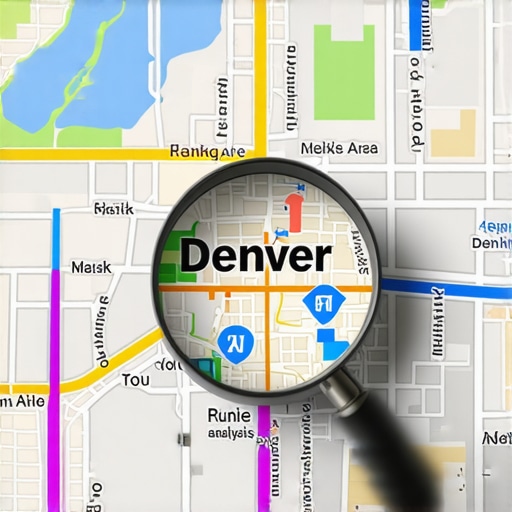
Have you ever driven past a local Denver business, only to realize it was almost invisible online? I remember the first time I failed to appear in Google Maps when someone searched for a service I offered. That moment hit hard. I knew I was missing out on countless local customers, and it felt like I was invisible in my own city. It was a lightbulb moment for me, and I realized that mastering Denver Maps Ranking was not just a nice-to-have but a necessity for any local business aiming for success in 2025.
Why Your Business Needs to Shine on Denver Maps Now
In Denver, competition is fierce. Just because you have a great product or service doesn’t mean customers will find you. Google Maps and local SEO are the digital storefronts that make or break your visibility in 2025. According to a recent study, 78% of local mobile searches result in an offline purchase within 24 hours, underscoring the importance of appearing at the right moment when potential clients are looking for your services. If your business isn’t optimized for local maps ranking, you’re basically invisible to a huge chunk of your target audience.
When I started focusing on Google Maps optimization strategies, everything changed. My phone rang more, and walk-in traffic increased. But it wasn’t just about listing my business — it was about actively improving my Google My Business profile, building local citations, and engaging with my community online. That’s the path I’ll share with you today, so you can avoid my early mistakes and start climbing the ranks faster.
Have you faced this problem?
Are you struggling to get your business noticed on Google Maps despite having a solid local reputation? If so, you’re not alone. Many local business owners don’t realize how critical Maps ranking is until they see competitors outshine them in local searches. But don’t worry — with the right tactics, you can turn this around. I’ll guide you through proven methods to enhance your local visibility.
One mistake I made early on was neglecting the importance of consistent NAP (Name, Address, Phone Number) information across all online platforms. This seemingly small detail can seriously impact your local SEO. To learn more about how to avoid common pitfalls and implement effective strategies, check out this comprehensive guide.
Now, let’s get into the practical steps that will help your business shine on Denver Maps and attract more local customers in 2025. It’s time to get serious about your local SEO game!
Claim Your Spot at the Top of Local Searches
Start by ensuring your Google My Business (GMB) profile is fully optimized. Fill out every section meticulously — add your business categories, hours, services, and high-quality photos that accurately represent your offerings. When I first did this for my café, I quickly noticed an uptick in local inquiries. For detailed insights, visit this guide.
Keep Consistent NAP Data Across All Platforms
NAP — that’s Name, Address, Phone number — consistency is king. I once listed my number slightly different on my website and Yelp, which confused Google. After correcting this, my rankings improved within weeks. Double-check all listings and citations on directories, social media, and your website. You can learn effective citation-building tactics at this resource.
Leverage Local Keywords and Content
Use keywords that Denver residents search for daily. Incorporate phrases like “best coffee in Denver” or “Denver plumbing services” naturally into your website and GMB posts. I added a blog post about local events, embedding relevant keywords, which helped me rank higher for community-specific searches. For keyword strategies, check this article.
Build and Manage Local Citations
Local citations are mentions of your business on other websites. The more authoritative and accurate these are, the better your Maps ranking. I started by claiming listings on Yelp, Bing Places, and local directories. Ensuring NAP consistency across these platforms was crucial. For proven citation tactics, see this guide.
Encourage Genuine Customer Reviews
Reviews act as social proof and influence rankings. I personally asked satisfied customers to leave reviews, making it a part of my follow-up process. Responding to reviews, both positive and negative, shows engagement and boosts your profile’s credibility. To master review management, explore this strategy.
Engage with the Local Community Online
Post regularly on your GMB profile with updates, offers, and community involvement. Sharing local news or sponsoring events can increase your visibility. I found that consistent engagement made my profile more attractive to Google’s algorithm, helping me climb the ranks faster. For engagement tips, see this resource.
Monitor and Adjust Your Strategy
Use tools like Google Insights and third-party tracking to analyze your ranking progress. Adjust your tactics based on what keywords or strategies are performing best. I learned that staying adaptable was key to maintaining a top spot in Denver’s competitive local landscape. For ongoing optimization, check this guide.
By systematically applying these steps, you can elevate your Denver business’s Maps ranking and attract a flood of local customers. Remember, consistency and engagement are your best allies in this journey.
Many local business owners in Denver fall into the trap of oversimplifying SEO or relying solely on basic tactics, but let’s dig deeper into what actually makes a difference. A widespread myth is that keyword stuffing or creating multiple listings on the same platform will instantly boost your Maps ranking. In reality, Google’s algorithm is far more nuanced, prioritizing relevance, consistency, and engagement over mere volume of keywords or citations. Focusing on comprehensive optimization that combines user experience with strategic content is what truly moves the needle.
Another common misconception is that once your GMB profile is set up, you can forget about it. The truth is, local SEO requires ongoing effort—regularly updating your profile with fresh posts, responding to reviews, and monitoring your rankings. Neglecting these activities can cause your listing to stagnate or even decline in visibility. Think of it as maintaining a garden; without regular care, even the healthiest plants can wither.
Make sure to avoid the trap of inconsistent NAP data. It’s tempting to update your contact info on one platform but forget to sync it elsewhere. This inconsistency confuses Google’s algorithm and can severely hamper your rankings. Double-check all your citations and listings—trust me, this small detail impacts your local visibility more than you might expect. For a detailed approach, review this resource.
Now, let’s answer a question that advanced marketers often ask:
What advanced strategies can help a well-established Denver business break through local search plateaus?
Beyond basic optimizations, leveraging local link building and community engagement can elevate your rankings significantly. Building partnerships with local influencers or sponsoring community events creates valuable backlinks and enhances your reputation, which search engines interpret as signals of authority. Additionally, optimizing for voice search and mobile intent is crucial as consumer behavior shifts towards voice-activated queries. Incorporate conversational keywords into your content and FAQs, and ensure your website loads quickly on all devices. According to industry experts, combining these advanced tactics with consistent review management and citation accuracy is the secret to sustained success in Denver local SEO.
Have you ever fallen into this trap? Let me know in the comments. Remember, mastering Google Maps optimization is an ongoing journey, not a one-time fix. Stay vigilant, adapt your strategies, and you’ll remain at the top of local search results in Denver and beyond.
Keeping it working: Tools I recommend for ongoing Google Maps success
Maintaining your Denver Maps ranking over time requires a blend of innovative tools, diligent practices, and strategic updates. Having tested various solutions myself, I can confidently recommend specific tools that help keep your local SEO efforts effective and scalable. These tools streamline tasks like citation management, review monitoring, and performance tracking, ensuring your business remains visible and competitive in Denver’s bustling local market.
One of my go-to tools is BrightLocal. I use it primarily for citation audits and building, because it provides detailed insights into your existing listings and highlights inconsistencies that could harm your rankings. Regularly updating and correcting NAP data across directories ensures your profile remains authoritative — a key factor in Google Maps optimization. BrightLocal also tracks your review reputation over time, alerting me to new reviews and helping me respond promptly, which boosts engagement and credibility.
For review management, I rely heavily on Podium. It simplifies the process of collecting and responding to reviews across multiple platforms, which is crucial in Denver’s competitive landscape. Automated review requests ensure I don’t miss opportunities for positive feedback, and quick responses show Google and customers alike that my business values engagement. This consistent review activity is a proven way to enhance local rankings and attract more clients.
Tracking your Google My Business (GMB) insights is vital. I recommend Whitespark’s Local Rank Tracker. It provides accurate, localized ranking data that reflects real-time changes in Denver’s search landscape. By regularly checking these metrics, I can adjust my keyword strategy and post frequency, ensuring my profile stays optimized for the latest search trends. As voice search and mobile queries grow, keeping an eye on your rankings helps you anticipate shifts and adapt proactively.
Finally, I integrate Google Search Console and Google Analytics into my routine. These free tools give me a comprehensive view of how users discover my business online, which keywords drive traffic, and how visitors behave once they land on my site. This data informs my content updates and local SEO tactics, making sure I’m aligned with current consumer behavior in Denver.
Looking ahead, I predict that local SEO tools will become even more AI-driven, providing predictive insights and personalized recommendations. To stay ahead, I encourage you to experiment with automation features and leverage new AI-powered analytics as they emerge. For example, using AI to analyze review sentiment can help refine your customer service strategies, ultimately strengthening your local presence.
Ready to elevate your Denver Maps ranking? Start by implementing one of these tools today and monitor your progress. Remember, consistency and adaptation are your best allies in this ongoing journey. For more advanced strategies, explore this comprehensive guide.
What the Toughest Lessons Taught Me About Local SEO in Denver
- Realizing that even small inconsistencies in your NAP data can cost you top rankings was a lightbulb moment. I learned this the hard way when a minor typo on my citation listings caused a noticeable drop in visibility, reminding me that meticulous attention to detail pays off.
- It’s tempting to think once your Google My Business profile is set up, your work is done. But the truth is, ongoing engagement — like posting updates and responding to reviews — is what keeps your listing thriving and climbing the ranks in Denver’s competitive local scene.
- Overconfidence in basic tactics like keyword stuffing or creating multiple listings can backfire. Search engines prioritize relevance and user engagement, so I shifted my focus to strategic content and community involvement for real results.
- Advanced strategies like local link building and voice search optimization are game-changers. I found that partnering with local influencers and optimizing for mobile queries helped me break through search plateaus faster than ever.
My Go-To Tools That Keep My Denver SEO Strong
- BrightLocal has been invaluable for citation audits and NAP consistency. It offers detailed insights on my listings and helps me fix discrepancies before they hurt my rankings.
- Podium simplifies review collection and management. Regular positive reviews and prompt responses have boosted my credibility and local rankings significantly.
- Whitespark’s Local Rank Tracker keeps me informed about my current position in Denver’s local search results, allowing me to tweak my strategies proactively.
- Google Search Console and Google Analytics provide essential insights into user behavior, guiding my content decisions and keyword focus for sustained growth.
Step Into the Future of Denver Local SEO
Remember, mastering Google Maps optimization isn’t a one-off task — it’s a continuous journey. Staying adaptable, leveraging the right tools, and engaging authentically with your community will keep you at the top of local search results. Now is the perfect time to elevate your Denver business with proven local SEO tactics, so start today and watch your visibility soar! What’s the next step you’re excited to implement in your local SEO strategy? Share below and let’s grow together.

![Verify Your Business: 5 GMB Colorado Optimization Secrets [2026]](https://denvermappackranking.com/wp-content/uploads/2026/02/Verify-Your-Business-5-GMB-Colorado-Optimization-Secrets-2026.jpeg)

![3 Hidden Maps Ranking Denver Signals to Fix This Week [2026]](https://denvermappackranking.com/wp-content/uploads/2026/02/3-Hidden-Maps-Ranking-Denver-Signals-to-Fix-This-Week-2026.jpeg)