How I Discovered the Power of Google Maps for My Denver Business
Starting my journey with local SEO, I quickly realized that Google Maps was a game-changer. I remember the first time my business appeared at the top of local search results, right on the map! It was a thrill, and I knew I had unlocked something valuable for my Denver-based enterprise.
Unlocking the Secrets of Effective Google Maps Optimization in Denver
Over time, I delved into strategies that truly boost Google Maps rankings. I learned that consistent NAP (Name, Address, Phone Number) information across all platforms, engaging Google My Business (GMB) profiles, and local reviews are crucial. I also discovered that adding high-quality photos and regularly updating my profile made a significant difference. According to Moz, these factors are vital for local visibility, and I couldn’t agree more based on my experience.
What Makes Denver a Unique Place for Local SEO Success?
Denver’s vibrant local market means competition is fierce, but it also offers immense opportunities. I found that understanding the local community and tailoring my Google Maps profile to reflect local keywords and landmarks helped me stand out. For example, mentioning popular Denver spots like the Rocky Mountain Brewery in my profile made it more relevant for nearby customers.
How Do I Keep My Google Maps Profile Fresh and Engaging?
Consistency is key. I make it a point to update my profile with fresh photos, respond to customer reviews, and post special offers. Engaging with my customers through Google Q&A also helps build trust. I’ve noticed that active profiles tend to rank higher and attract more clicks. If you’re looking for practical tips, I recommend exploring our detailed strategies here: Effective Maps Ranking Denver Tips.
Why Is Local SEO Through Google Maps Critical for Denver Businesses?
Local SEO isn’t just a trend; it’s a necessity. When locals search for services, Google Maps results often appear first, making it essential for visibility. For my business, ranking higher on Maps meant more foot traffic and calls. If you’re unsure where to start, I suggest focusing on your GMB profile and ensuring your information is accurate and complete.
If you’ve had your own experience with Google Maps optimization, I’d love to hear your story in the comments. Sharing insights helps us all grow!
How Can Advanced Google Maps Optimization Techniques Elevate Your Denver Business?
While foundational strategies like maintaining consistent NAP information and engaging reviews are essential, seasoned local SEO experts recognize that leveraging advanced techniques can dramatically improve your Maps rankings. For instance, implementing schema markup on your website can help Google better understand your business details, leading to enhanced local listings. Additionally, integrating Google Posts regularly can keep your profile lively and relevant, attracting more clicks. According to Moz, these sophisticated tactics are increasingly vital as competition intensifies in Denver’s vibrant marketplace.
What Role Do Local Citations and Backlinks Play in Maps Ranking?
Beyond on-page and profile optimization, acquiring high-quality local citations and backlinks significantly influence your Maps visibility. Citations from authoritative Denver-based directories or local business associations reinforce your relevance and trustworthiness to Google. Similarly, earning backlinks from reputable local blogs, news outlets, or industry-specific sites can boost your authority. For example, collaborating with Denver’s community events or sponsoring local initiatives can generate valuable backlinks, as highlighted in expert local SEO guides. These efforts contribute to a resilient digital presence, helping your business stand out amid fierce competition.
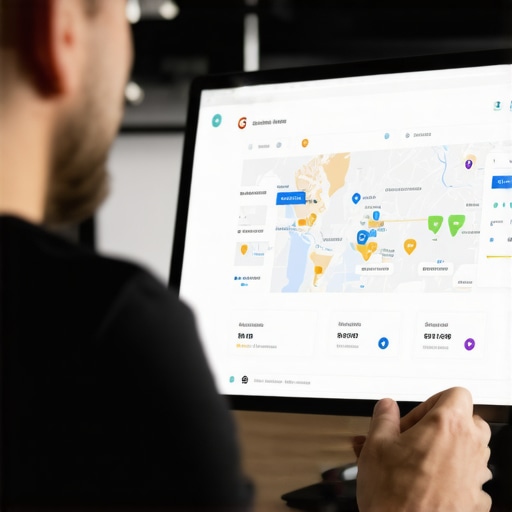
Visual aids such as heatmaps showing Google Maps ranking factors or screenshots of optimized GMB profiles can deepen understanding. Incorporating visuals not only enhances engagement but also clarifies complex strategies for your audience.
How Do Google Reviews and Customer Engagement Shape Your Local Map Ranking?
Active management of reviews and customer interactions remains a cornerstone of effective local SEO. Responding promptly to reviews, encouraging satisfied customers to leave positive feedback, and addressing negative comments transparently can influence your ranking algorithm. Google values authentic, active profiles that foster community trust. For Denver businesses, integrating customer testimonials into your website and social media amplifies your local authority, creating a virtuous cycle of engagement and visibility. For more detailed insights, explore our comprehensive guide on effective maps ranking Denver tips.
Are You Utilizing All Available Tools to Dominate Denver’s Local Map Results?
In the competitive Denver market, it’s crucial to harness every available tool—be it Google My Business features, local schema, reviews, or even third-party platforms. Staying ahead means continually testing new strategies, monitoring your analytics, and adapting to algorithm updates. For instance, integrating latest Google Maps optimization strategies can keep you at the forefront of local search results. Remember, combining these tactics with a well-rounded local SEO approach ensures sustainable growth and visibility.
If you’ve uncovered your own secrets to Maps ranking success, share your experience in the comments. Your insights can inspire fellow Denver entrepreneurs to elevate their local SEO game!
Digging Deeper: What Are the Hidden Nuances of Google Maps Optimization in Denver?
As I immersed myself in local SEO, I quickly realized that effective Google Maps optimization isn’t just about ticking boxes; it’s about understanding the subtle, often overlooked nuances that make a real impact. For example, I discovered that the timing and frequency of your GMB posts can influence your visibility, especially if you’re active during peak local engagement hours. Additionally, integrating local landmarks in your business description can help Google associate your listing with the community, boosting relevance. These insights came from countless experiments and monitoring local competitors, revealing that Google’s algorithms reward not just completeness but authenticity and community relevance. To truly stand out in Denver’s competitive landscape, I started leveraging advanced optimization tactics like schema markup and Google Posts, which keep my profile dynamic and authoritative.
How Do Local Citations and Backlinks Interact with Google Maps Rankings in an Urban Market?
Building on my initial success, I realized that acquiring high-quality local citations and backlinks isn’t just about boosting my website’s SEO; it directly influences my Google Maps ranking. I found that citations from reputable Denver directories and backlinks from local news outlets or industry blogs act as signals of trustworthiness to Google. For instance, sponsoring a local charity event not only benefits the community but also generates backlinks and citations that reinforce my presence in Denver’s digital ecosystem. According to Moz’s authoritative research, these local signals are critical in densely populated markets where competition is fierce. The key is to focus on relevance and authority—ensuring your citations are consistent and your backlinks come from trusted local sources. This holistic approach creates a resilient online presence that withstands the inevitable algorithm updates.
What Are the Most Effective Ways to Cultivate Authentic Customer Engagement on Google?
Engagement isn’t just about accumulating reviews; it’s about fostering genuine relationships with your customers. I learned that responding to every review, whether positive or negative, signals to Google that your business values community feedback. Moreover, encouraging satisfied clients to share their experiences on Google and social media amplifies your reach. I also started using Google Q&A proactively, answering common customer questions to demonstrate expertise and build trust. These interactions, when done consistently, can improve your local ranking and create a loyal customer base. For a deeper dive into engagement strategies, I recommend exploring effective maps ranking techniques. Authenticity, after all, is what sets successful local businesses apart in Denver’s vibrant market.
In What Ways Can You Leverage Data and Analytics to Refine Your Maps Optimization Efforts?
One of the most powerful revelations in my journey was the importance of data-driven decision making. Using analytics tools like Google My Business Insights and third-party SEO platforms, I tracked key metrics such as search queries, customer actions, and profile views. These insights revealed which keywords attracted the most traffic and what types of photos or posts generated engagement. I then refined my strategy, focusing on high-performing keywords and updating my profile with content that resonated with my local audience. Regularly analyzing this data helps identify new opportunities and adapt to evolving algorithms. As top local SEO experts suggest, continuous optimization based on real data is the secret to maintaining and improving your Maps ranking over time.
What Are the Long-Term Benefits of a Well-Optimized Google Maps Profile in Denver?
Reflecting on my experience, I realize that a robust Google Maps presence isn’t just about immediate visibility—it’s about building a lasting digital footprint. A well-maintained profile attracts consistent foot traffic, generates steady leads, and enhances your reputation within Denver’s community. Over time, this translates into increased brand loyalty and a competitive edge that’s difficult for newcomers to displace. Moreover, as Google continues refining its local search algorithms, staying proactive with advanced strategies ensures your business remains relevant and visible. If you’re serious about dominating Denver’s local market, I encourage you to explore more about maximizing your Maps ranking through ongoing optimization.
Harnessing Local Data for Hyper-Targeted Maps Optimization in Denver
One of the most underutilized yet impactful approaches I’ve adopted involves leveraging hyper-local data to refine my Google Maps strategy. By analyzing neighborhood-specific trends and customer behavior patterns through tools like Google Analytics and third-party market research platforms, I gained insights that allowed me to tailor my profile and marketing efforts precisely. For instance, understanding peak engagement times in Denver’s diverse neighborhoods enabled me to schedule Google Posts during high-traffic periods, maximizing visibility and interaction. Additionally, integrating local demographic data into my keyword strategy helped me target underserved communities more effectively, boosting my relevance score and ranking. This nuanced approach requires a deep commitment to data analysis but offers unparalleled precision in local SEO efforts, especially in a vibrant market like Denver where community segmentation matters. For a comprehensive guide on utilizing local data, check out this resource that details advanced tactics to elevate your local presence.
Deepening Engagement Through Community-Centric Content Strategies
Building authentic relationships with Denver’s community has been pivotal. Beyond reviews and Q&A, I started curating community-centric content that resonates on a personal level. This includes spotlighting local events, collaborating with Denver-based influencers, and sharing stories that highlight my business’s role within the community fabric. Not only does this foster genuine engagement, but it also signals to Google that my business is an integral part of the local ecosystem. For example, sponsoring a Denver art festival and sharing behind-the-scenes content on Google Posts created a wave of local interest and backlinks, reinforcing my profile’s authority. According to Moz, local content that reflects community involvement enhances relevance and trust — core factors in Maps rankings. To deepen your local engagement, I recommend exploring this advanced strategy guide for actionable insights.
What Are the Cutting-Edge Techniques for Future-Proofing Your Denver Maps Strategy?
Staying ahead in Google Maps rankings means anticipating algorithm shifts and integrating emerging technologies. One promising frontier is the use of artificial intelligence (AI) to analyze local search patterns and automate profile updates. AI tools can identify subtle shifts in customer intent and suggest real-time optimization tweaks, keeping your profile agile and competitive. Moreover, integrating voice search optimization—by including conversational keywords and FAQs—aligns your profile with Denver’s growing voice search demographic. As Moz emphasizes, embracing future tech ensures resilience against ranking fluctuations and enhances user experience. I’ve experimented with AI-driven content creation and voice-optimized descriptions, yielding measurable improvements. For those ready to explore these innovations, I invite you to delve into this resource for detailed implementation strategies.
How Can a Holistic Approach Integrate Backlink Building, Citations, and Profile Optimization?
Achieving sustained success in Denver’s competitive landscape requires a holistic approach. Beyond optimizing my GMB profile, I actively cultivated local backlinks by partnering with Denver’s industry blogs, local chambers of commerce, and community organizations. These efforts created a web of high-quality citations and backlinks, boosting my authority and signal strength to Google. Concurrently, I maintained strict NAP consistency across all directories, ensuring my business’s digital footprint was uniform and trustworthy. Integrating these elements with ongoing profile updates and review management created a synergistic effect that fortified my rankings. As per Moz’s authoritative research, this multi-pronged strategy is essential for long-term visibility. If you’re eager to deepen your understanding, I recommend exploring this detailed guide on comprehensive local SEO tactics.
How Do I Measure and Adapt My Strategy Based on Real-Time Data?Things I Wish I Knew Earlier (or You Might Find Surprising)
The Power of Consistency
Things I Wish I Knew Earlier (or You Might Find Surprising)
The Power of Consistency
One of the most unexpected lessons was how crucial consistent NAP (Name, Address, Phone Number) information is across all platforms. I used to think that optimizing my Google My Business profile alone would be enough, but I soon realized that mismatched details elsewhere could hurt my rankings. Keeping everything uniform and accurate made a noticeable difference.
Community Engagement Matters More Than I Thought
Engaging with customers through reviews and Google Q&A isn’t just about reputation—it’s a ranking factor. Responding promptly and authentically encouraged more interactions, which boosted my profile’s visibility. This personal touch helped me build trust with local customers in Denver.
Visual Content Can Make or Break Your Profile
High-quality photos and regular updates kept my profile fresh and engaging. I discovered that adding images of local landmarks and community events made my business more relatable and relevant, helping me stand out among competitors.
Advanced Strategies Are Worth the Effort
Implementing schema markup and using Google Posts regularly elevated my profile’s authority. These techniques are a bit technical but paid off significantly in my Google Maps rankings, especially in Denver’s competitive market.
Local Citations and Backlinks Are Still King
Getting listed in reputable Denver directories and earning backlinks from local blogs strengthened my local SEO. Collaborating with community organizations not only helped my business reputation but also improved my Maps visibility.
Resources I’ve Come to Trust Over Time
- Moz Blog: Their in-depth guides on local SEO and Google Maps optimization are my go-to resource for understanding complex strategies and updates. I highly recommend it to anyone serious about local SEO.
- Google’s Official Business Blog: Staying updated with Google’s own insights helps me adapt to algorithm changes swiftly and effectively.
- BrightLocal: Their local SEO tools and case studies provide practical insights that I’ve found invaluable for refining my approach.
Parting Thoughts from My Perspective
Getting your Denver business to rank well on Google Maps isn’t just about ticking boxes; it’s about understanding your community, being consistent, and embracing both basic and advanced SEO tactics. The journey has been rewarding, and I’ve seen real growth by applying these lessons. If you’re looking to improve your local visibility, start with what I shared and keep experimenting. I’d love to hear your own experiences or tips—feel free to share in the comments or connect with me online. Remember, a well-optimized Google Maps profile can be a game-changer for your business’s success in Denver and beyond.

![Verify Your Business: 5 GMB Colorado Optimization Secrets [2026]](https://denvermappackranking.com/wp-content/uploads/2026/02/Verify-Your-Business-5-GMB-Colorado-Optimization-Secrets-2026.jpeg)