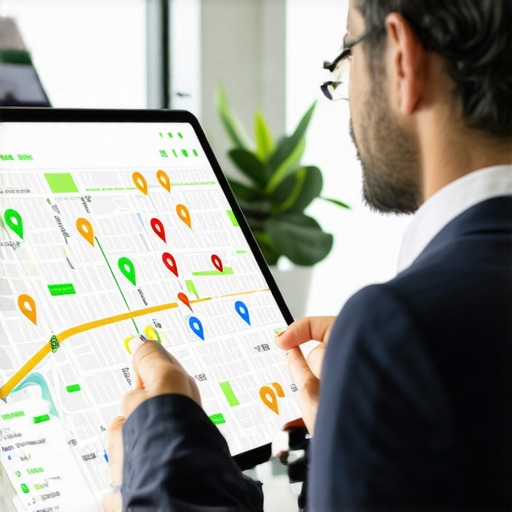
I remember the exact moment I realized my small business was invisible on Google Maps—it was a chilly Denver morning, and I was staring at my phone trying to find my own storefront without success. Frustration bubbled up. How could a business in one of Colorado’s busiest areas be so hard to find? That lightbulb moment made me realize I’d been neglecting a critical part of my local marketing: Google Maps optimization.
In Denver, where competition is fierce and customers rely heavily on local searches, having a visible Google Maps presence isn’t just a bonus; it’s essential. But I’ve learned through personal experience—and a lot of trial and error—that many local businesses overlook the remarkable impact of proper Google Maps optimization. I want to share what I discovered: getting your business ranked higher on maps can transform foot traffic and sales.
Today, I will show you how to turn your Google Maps listing into a powerful magnet for local customers. No more guesswork, no more missed opportunities—just clear, practical strategies that actually work in Denver’s vibrant market.
Why Your Google Maps Visibility Could Be Holding You Back
Let’s face it—if your business isn’t appearing on the first page of Google Maps results, potential customers are likely passing you by. I’ve been there, and I know how disheartening it can be. But here’s the truth: many Denver businesses miss out on local traffic because their Google My Business profiles aren’t properly optimized.
Early in my journey, I made a costly mistake: I focused too much on my website alone, neglecting my Google Maps listing. It wasn’t until I learned how maps rankings work that I finally saw real growth. Properly optimizing your profile can have a more significant impact than SEO alone.
In fact, studies show that 78% of local mobile searches lead to an offline purchase, making Google Maps visibility crucial for brick-and-mortar businesses. If you’re wondering whether the effort is worth it, I encourage you to explore proven strategies that can elevate your local presence. For more detailed tips, check out [this guide on Google Maps optimization Denver](https://denvermappackranking.com/google-maps-optimization-denver-tips-to-boost-local-rankings-today).
Are you tired of being invisible on Google Maps? Keep reading, because I’m about to walk you through practical steps to boost your rankings and attract more local customers.
Claim and Verify Your Google My Business Listing
Start by claiming your GMB profile if you haven’t already. Visit this guide for step-by-step instructions. Verification usually involves requesting a postcard and entering a code. Think of this step as securing your storefront’s sign—the foundation for all subsequent optimization efforts.
Optimize Your Business Information for Local Relevance
Ensure your business name, address, and phone number (NAP) are consistent across all platforms. Use keywords relevant to Denver and your niche naturally within your profile description. For example, if you’re a coffee shop, include ‘Denver coffee’ or ‘best café in Denver.’ This consistency signals to Google that your business is legitimate and relevant to local searches, much like placing a clear address sign on your physical storefront.
Choose Accurate and Strategic Categories
Select primary and secondary categories that accurately describe your services. This helps Google match your listing to relevant local queries. For instance, a boutique in Denver might choose ‘Clothing Store’ as primary and ‘Fashion Accessories’ as secondary. Proper categorization is like highlighting the main sign on your storefront—draws in the right customers.
Use High-Quality Photos and Regular Updates
Upload clear, attractive photos showcasing your business environment, products, or services. Regularly updating your gallery keeps your listing fresh. Think of this as decorating your storefront window—drawing passersby and enticing them to enter. An example from my experience: uploading seasonal photos led to increased engagement and inquiries within weeks.
Collect and Respond to Customer Reviews
Encourage satisfied customers to leave reviews. Respond promptly and professionally, addressing concerns or thanking reviewers. Reviews act as social proof, boosting your credibility and local ranking. I once personally asked a longtime client after a positive service, and their review significantly improved my visibility in Denver. For detailed review strategies, see this resource.
Leverage Local Keywords and Attributes
Incorporate Denver-specific terms and landmarks into your profile and posts. Mention nearby attractions or neighborhoods. This hyper-local focus can differentiate you in a crowded market, akin to placing a sign near a busy street corner. For example, referencing ‘LoDo neighborhood’ or ‘near Denver Art Museum’ helps Google relate your business to local searches.
Build Local Citations and Backlinks
Ensure your business details are listed accurately on local directories and citation sites like Yelp or the Denver Chamber of Commerce. Obtaining backlinks from reputable local websites boosts your authority. In my case, contributing a guest post to a Denver-area blog helped improve my local rankings, similar to getting a recommendation from a trusted neighbor.
Fine-Tune Your Profile with Advanced Techniques
Utilize UTM parameters for tracking, add service areas if applicable, and implement schema markup on your website. These technical tweaks help Google understand and rank your business better, much like installing better lighting and signage to stand out after hours. For more advanced methods, explore these strategies.
Many local business owners in Denver fall prey to misconceptions about Google Maps optimization, which can hinder their growth more than any technical mistake. One prevalent myth is that simply filling out a Google My Business (GMB) profile once is enough. In reality, continuous engagement—such as regular updates and review management—is essential for sustained improvement. Another misconception is that all categories are equally beneficial; however, selecting the most relevant primary category directly influences local rankings, making strategic choices crucial.
A frequently overlooked nuance is the importance of leveraging Google My Business attributes and attributes like ‘wheelchair accessible’ or ‘free Wi-Fi’ to attract specific customer segments, a detail many ignore yet can enhance your local relevance effectively. Moreover, many believe that SEO tactics used for websites automatically boost their GMB rankings. While there’s some overlap, Google Maps ranking relies heavily on local signals, citations, and reviews, which are distinct from traditional SEO efforts. For example, building local citations and actively managing reviews can significantly improve your maps visibility, sometimes outperforming even optimized websites.
Beware of the trap of over-optimization with keywords. Stuffing keywords into your business descriptions or reviews can lead to penalties and decreased credibility. Instead, focus on natural language and local relevance. According to an expert study from Moz, local pack rankings are heavily influenced by proximity, relevance, and prominence, which are difficult to trick but manageable through authentic local engagement.
Another advanced mistake is neglecting the technical configurations, such as ensuring your NAP (Name, Address, Phone number) consistency across directories and implementing schema markup on your website. These technical nuances help Google better understand your business context and improve your visibility in local searches. For comprehensive strategies on avoiding these traps and maximizing your Denver maps ranking, check out [this guide on Google Maps optimization Denver](https://denvermappackranking.com/google-maps-optimization-denver-tips-to-boost-local-rankings-today).
Have you ever fallen into this trap of misconceptions? Let me know in the comments.Maintaining your Google Maps ranking requires consistency and the right set of tools. I personally rely on specialized software to streamline updates, review management, and insights analysis. One indispensable tool is BrightLocal, which helps track local rankings and citations with precision. It offers detailed reports on how your Denver-based business performs across multiple local directories and maps, allowing me to identify opportunities for quick wins and ongoing improvements.
Another staple is Google Analytics coupled with Google Search Console. These free tools give me comprehensive insights into search behavior and website performance, which directly impact your Maps visibility. Setting up goals and tracking local-specific queries ensures I stay aligned with Denver’s evolving search landscape.
For review management, I use Podium today, which simplifies collecting, responding, and showcasing customer reviews. Reviews influence your local rankings significantly, and automating this process saves me hours each week. Plus, I’ve found that responding to reviews promptly, especially positive ones, fosters trust and encourages more reviews—trapping customers into a cycle of engagement that powers long-term growth.
Moving forward, the trend points toward AI-driven optimization. Tools like ChatGPT can generate localized content or respond to reviews intelligently, making your profile more dynamic and engaging. Predicting where Google Maps algorithms are headed, ongoing content creation and review management will stay central, but expect increasing automation to handle routine tasks.
How do I maintain Google Maps rankings over time?
Consistency is vital. Regularly updating your profile with new photos, posts, and offers signals that your business is active. Also, keep a close eye on reviews; respond authentically and promptly. Scheduling monthly audits using tools like Moz Local or SEMrush ensures citations are accurate and your categories remain relevant.
Don’t forget technical setup. Schema markup, especially LocalBusiness schema, helps Google understand your context better, as highlighted in Google’s own developer documentation. Implementing schema correctly can boost your prominence in local packs, especially if you update your website’s structured data periodically.
By integrating these tools into your Denver SEO strategy, you’ll establish a sturdy foundation for sustained growth. For advanced tactics, I suggest exploring citation building strategies detailed in [these proven guides](https://denvermappackranking.com/effective-google-maps-optimization-tips-for-colorado-businesses-in-2025-2) to keep your business ahead of local competitors. Try one of these tools today and see the difference in your maps rankings—small consistent actions lead to big long-term results.
What I Almost Missed About Local Ranking Power
One lightbulb moment for me was realizing that more reviews and consistent updates can outperform even the most beautifully optimized website. I learned that neglecting the local signals like citations and attributes can stall your progress—trust me, I’ve been there. The biggest lesson? Genuine local engagement creates lasting visibility. Avoid the trap of thinking SEO alone is enough; your authentic presence on Google Maps is what truly drives traffic and sales in Denver’s bustling community.
Tools That Gave Me the Edge I Needed
In my journey, I relied heavily on tools like BrightLocal for tracking citations and rankings, which gave me clarity on what areas needed attention. Google Search Console and Analytics became my best friends, revealing insights into local queries and customer behavior. For reviews, I turned to Podium, simplifying feedback collection and response management. These resources transformed my approach from guesswork to strategic, actionable steps—helping me stand out in one of Colorado’s most competitive markets.
Finally, Embracing the Future of Local Visibility
My advice? Stay curious and proactive—Google Maps is continually evolving, and so should your strategies. Experiment with new features, keep your profile fresh, and leverage advanced tactics like schema markup. The more authentic and consistent your efforts, the faster you’ll see results. Remember, building a strong local presence in Denver isn’t a one-time event; it’s a journey of continuous improvement. Are you ready to elevate your local business to new heights? Let me know your biggest challenge below and let’s tackle it together!
,